
What Licensed Plumbers Check Before A Bathroom Renovation
Bathroom renovations rarely go wrong by accident. In most cases, problems surface because the groundwork wasn't done properly — pipes that weren't assessed, drainage that wasn't checked, or compliance requirements that were overlooked until they couldn't be ignored. What looks like a straightforward cosmetic upgrade can quickly unravel if a licensed plumber hasn't conducted a thorough inspection before a single tile is pulled up.
A pre-renovation plumbing inspection establishes a clear picture of what's already there, what needs to change, and what the renovation will actually involve. Understanding what happens during a plumbing inspection helps property owners make informed decisions and avoid the surprises that blow out budgets and timelines.
The Condition of Existing Pipes Is Always the Starting Point
Before anything else, a licensed plumber will assess the condition and configuration of the pipes already in place. Older homes can conceal significant issues behind walls and under floors that only become apparent once exposed. What a plumber is looking for at this stage includes:
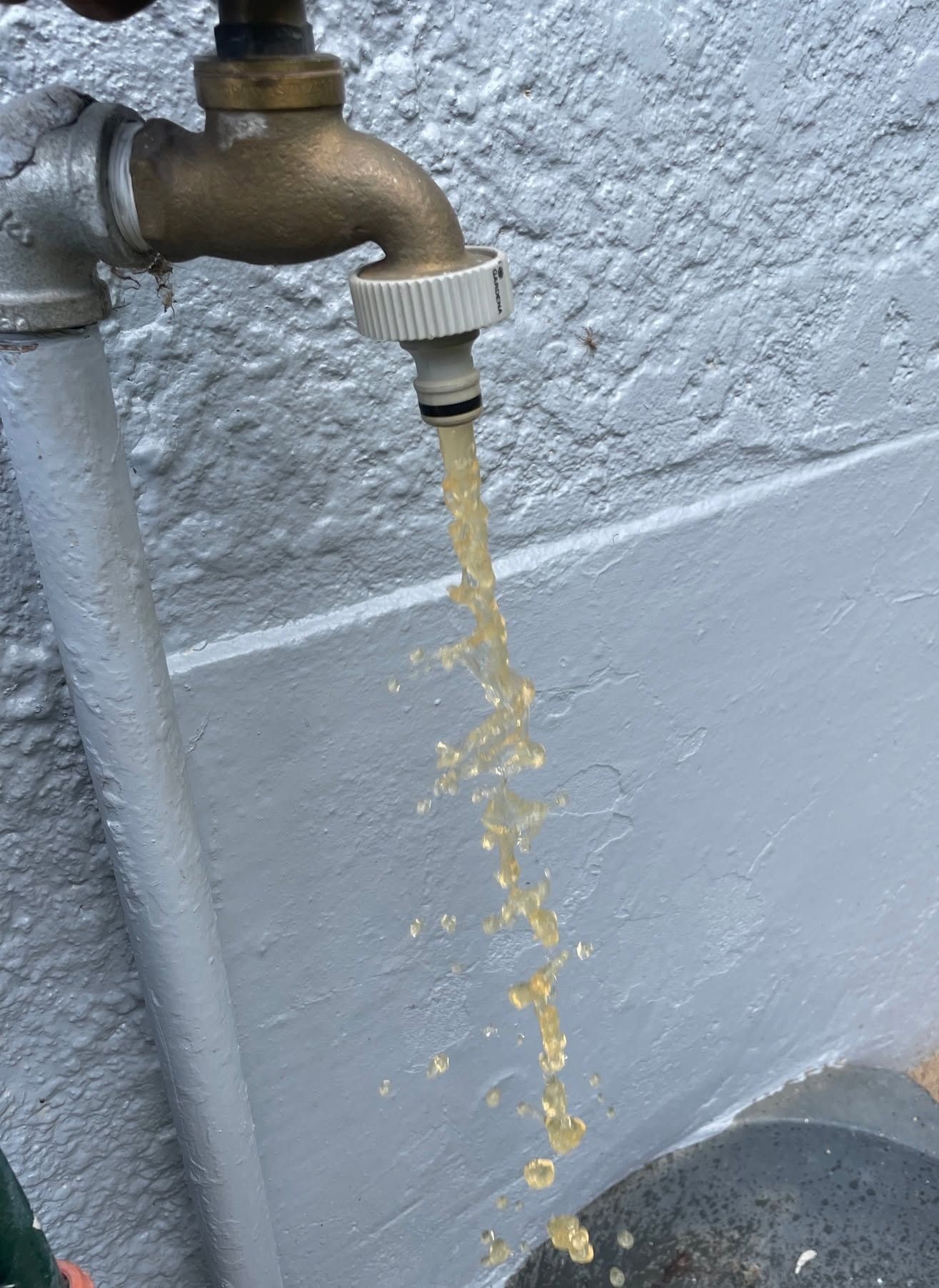
- Corrosion or deterioration — older copper, galvanised steel, or lead pipes that have degraded and will need replacing
- Pipe material compatibility — ensuring new pipework connects correctly with existing materials without creating leak risks
- Signs of previous repairs — patched or improvised pipework that may not meet current standards
Identifying pipe condition early prevents costly delays that arise when repiping needs are only discovered once a renovation is already underway.
Does Your Current Drainage Layout Support the New Design?
One of the most technically involved aspects of a pre-renovation inspection is evaluating whether the existing drainage layout can accommodate the proposed design. Moving fixtures, such as a toilet, shower, or vanity, isn't simply a matter of repositioning fittings. Drain lines follow fixed fall gradients, and repositioning an outlet can require rerouting drainage entirely.
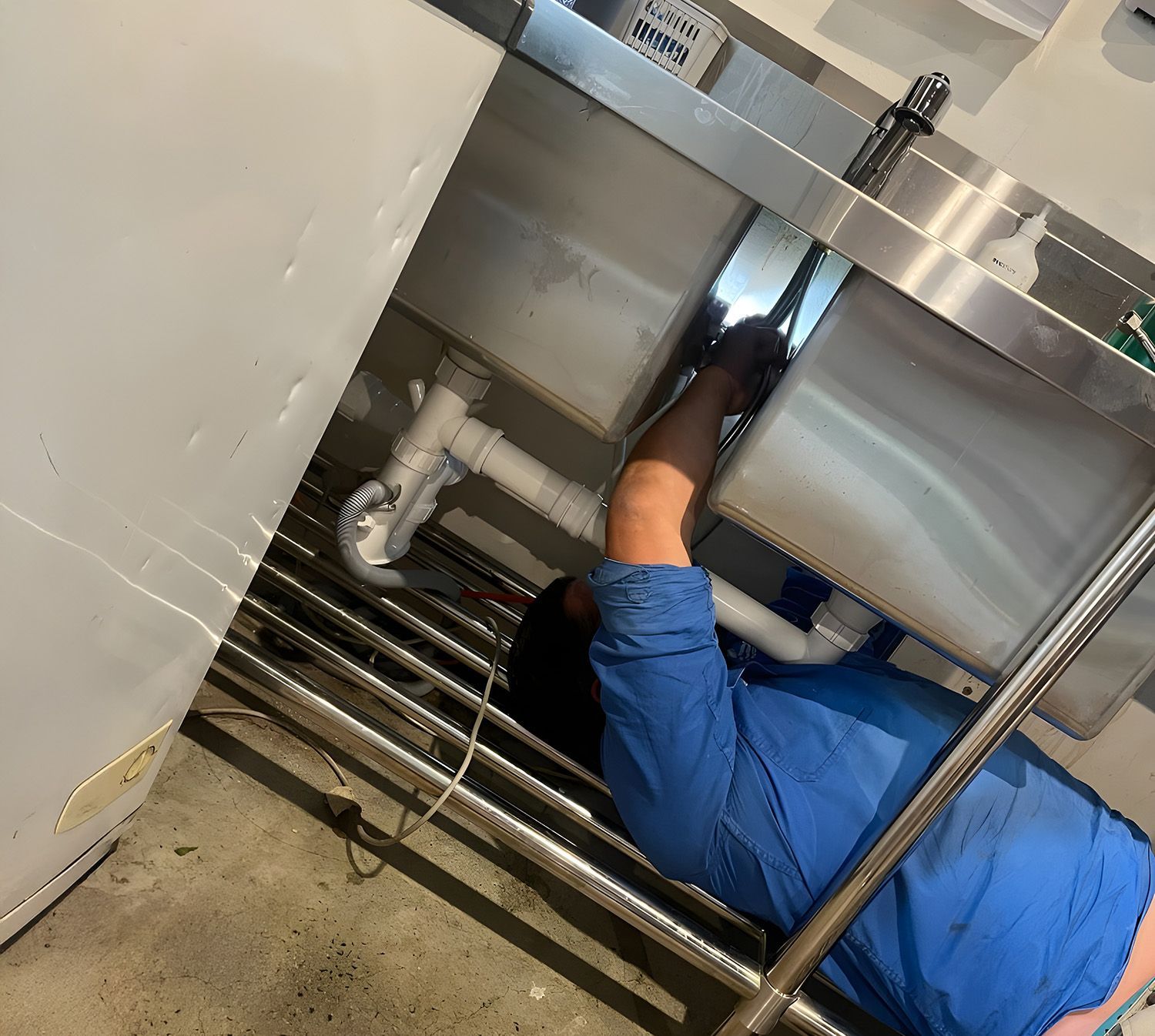
A licensed plumber will assess the drainage system by examining:
- Drain fall and gradient — pipes must slope at the correct angle to ensure waste flows freely
- Existing drain locations — where floor waste, toilet outlets, and basin traps currently sit relative to the proposed layout
- Slab or subfloor construction — whether drainage adjustments require cutting into a concrete slab or accessing a timber subfloor, both of which affect cost and scope
This assessment is what separates a renovation that runs on schedule from one that stalls once the floor comes up.
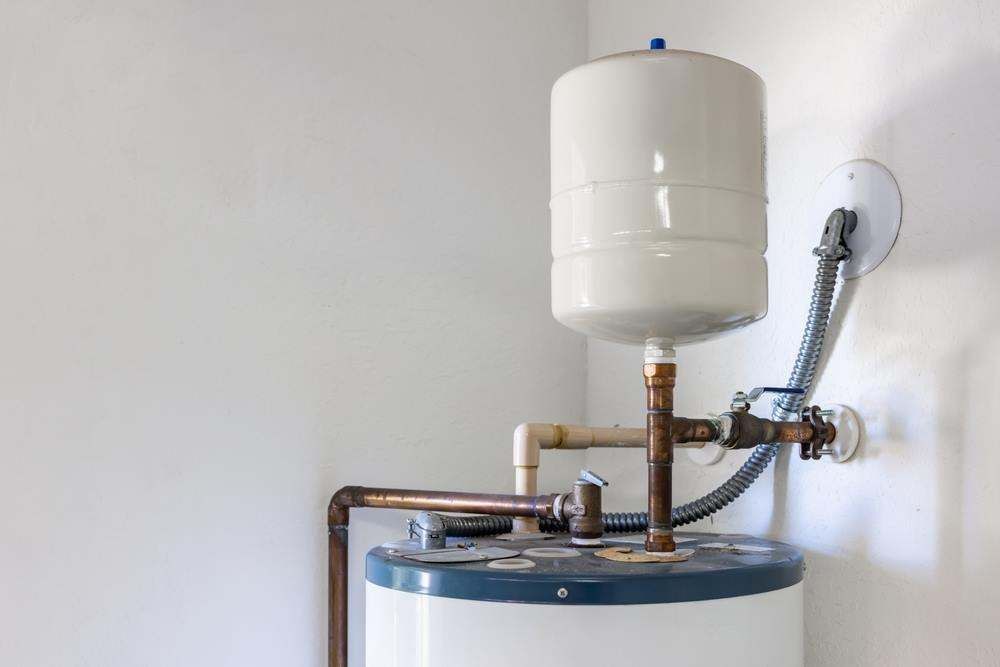
What Happens During a Plumbing Inspection of Hot Water Supply Lines
Hot water supply is a detail property owners often take for granted during a renovation, until the new shower delivers inconsistent temperatures or inadequate flow. A licensed plumber will assess the hot water supply lines to confirm the system can support the fixtures being installed.
Key considerations at this stage include:
- Hot water system capacity — whether the existing unit can adequately service additional or upgraded fixtures
- Supply line sizing — undersized lines restrict flow volume, affecting performance of high-flow showers and baths
- Tempering valve presence and condition — required by Australian standards for bathroom outlets to prevent scalding risk
If the system is ageing or undersized, this is the stage where replacement or upgrading is planned, not discovered after installation.
Waterproofing Standards Can't Be Assessed After the Walls Go Up
Waterproofing is a licensed trade requirement in bathroom renovations, and a plumber will assess the current state of waterproofing membranes as part of their inspection. Failed or inadequate waterproofing is often concealed in existing bathrooms until water damage has already occurred.
What this part of the inspection addresses:
- Condition of existing membranes — whether they're intact, failed, or were never applied correctly in the first place
- Wet area definitions — identifying which surfaces require waterproofing under the National Construction Code
- Substrate suitability — ensuring walls and floors are structurally appropriate to receive new waterproofing and tiling
- Shower recess and bath surrounds — particular attention is given to the highest-risk water exposure areas
Compliance documentation for waterproofing also protects property owners in future transactions, because work that isn't certified can become a liability at the point of sale.
Fixture Placement Isn't Just a Design Decision
Where a toilet, basin, bath or shower is positioned in a new layout has direct plumbing implications. A licensed plumber reviews the proposed fixture layout against existing infrastructure to identify what's achievable within current rough-in dimensions and what will require additional work.
This assessment typically covers:
- Toilet rough-in distance — the gap between the wall and the toilet outlet centre, which determines which toilet suites will fit without floor modifications
- Basin and vanity outlet positioning — whether existing waste connections align with the proposed vanity unit or require relocation
- Shower and bath rough-in compatibility — ensuring hot and cold supply connections match the fixtures specified in the renovation plan
- Clearance requirements — minimum distances between fixtures required by the Plumbing Code of Australia
Catching these constraints before selections are finalised avoids the common problem of specifying fixtures that simply don't suit site conditions.
Ventilation and Exhaust Requirements Are a Compliance Issue, Not an Afterthought
Adequate ventilation is a compliance requirement under the National Construction Code, not simply a comfort feature. A licensed plumber will assess the existing ventilation configuration during a pre-renovation inspection to ensure the finished bathroom meets regulatory requirements.
What this inspection step covers:
- Exhaust fan capacity and condition — whether the current unit meets the air change rate required for the bathroom's volume
- Ducting route and termination — confirming exhaust air discharges correctly to the outside and isn't terminating in a roof cavity
- Window ventilation provisions — where natural ventilation is present, assessing whether it satisfies code requirements as a primary or supplementary source
- Upgrade requirements — identifying whether the renovation scope triggers a requirement to upgrade ventilation to current standards
Addressing ventilation during the renovation is far simpler than retrofitting it once the walls are finished.
Has the Water Meter and Shut-Off Access Been Confirmed?
Confirming accessible and functional isolation points is a genuine pre-renovation requirement. A licensed plumber will check that water can be isolated quickly and completely before work begins, both for the renovation process itself and as a long-term maintenance consideration.
This part of the inspection looks at:
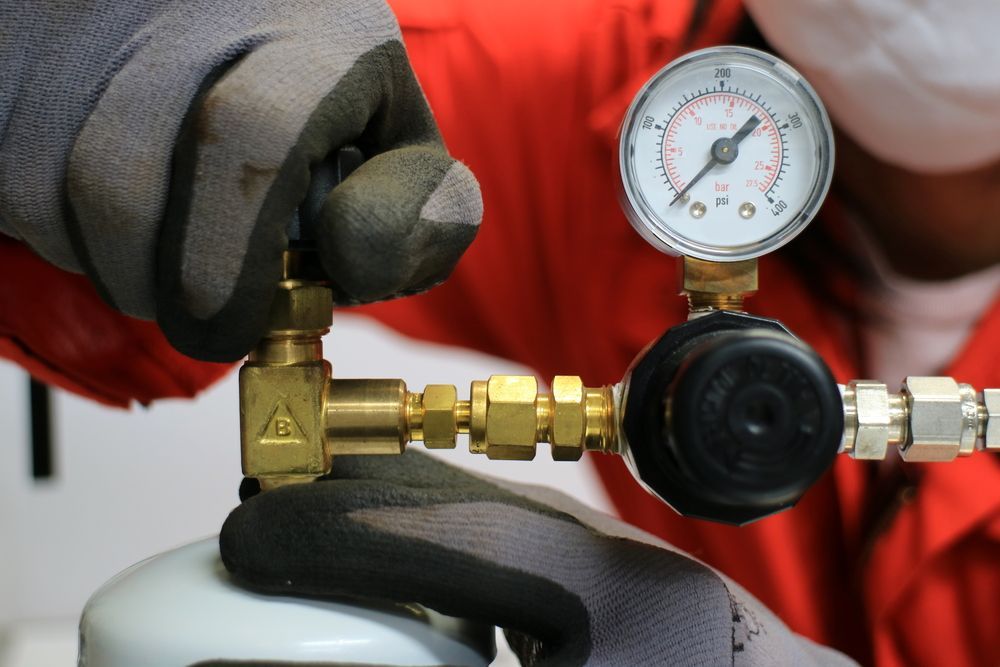
- Main water meter condition and accessibility — ensuring the property's primary shut-off is functioning and reachable in an emergency
- Localised isolation valves — confirming individual fixtures have working isolation valves that don't require a full property shut-off for servicing
- Valve condition in older properties — gate valves in particular can seize over time and fail to fully close, which is a risk during renovation work
It's a straightforward step that reduces risk during the build and improves long-term serviceability once the bathroom is complete.
Compliance Documentation Is Part of the Professional Process
A licensed plumber doesn't just complete the physical inspection, they document it. Before a bathroom renovation begins, a plumber will identify which permits, certificates, and notifications are required for the planned scope of work.
What the documentation process involves:
- Plumbing and drainage approvals — some renovation scopes require approval from the local water authority or council before work commences
- Certificate of Compliance — issued upon completion of regulated plumbing work and required for the renovation to be considered legally compliant
- Insurance and warranty protection — compliant, certified work protects property owners in the event of future issues or sale
Skipping this step doesn't make the requirements go away, it creates liability that surfaces during property transactions or insurance claims.
Thinking About Bathroom Renovations in Bathurst?
We at Expert Plumbing & Solar Services Bathurst know that a bathroom renovation in Bathurst is a significant investment, and in a regional area like Bathurst, where older housing stock and varying infrastructure conditions are common, getting the plumbing assessment right before work begins makes a genuine difference to how smoothly a project runs.
Our licensed plumbers carry out thorough pre-renovation inspections that cover every aspect of the process described above, giving property owners a clear picture of what's involved before any commitments are made on design or materials. We work through the detail so the renovation itself can proceed without the setbacks that come from overlooked groundwork.